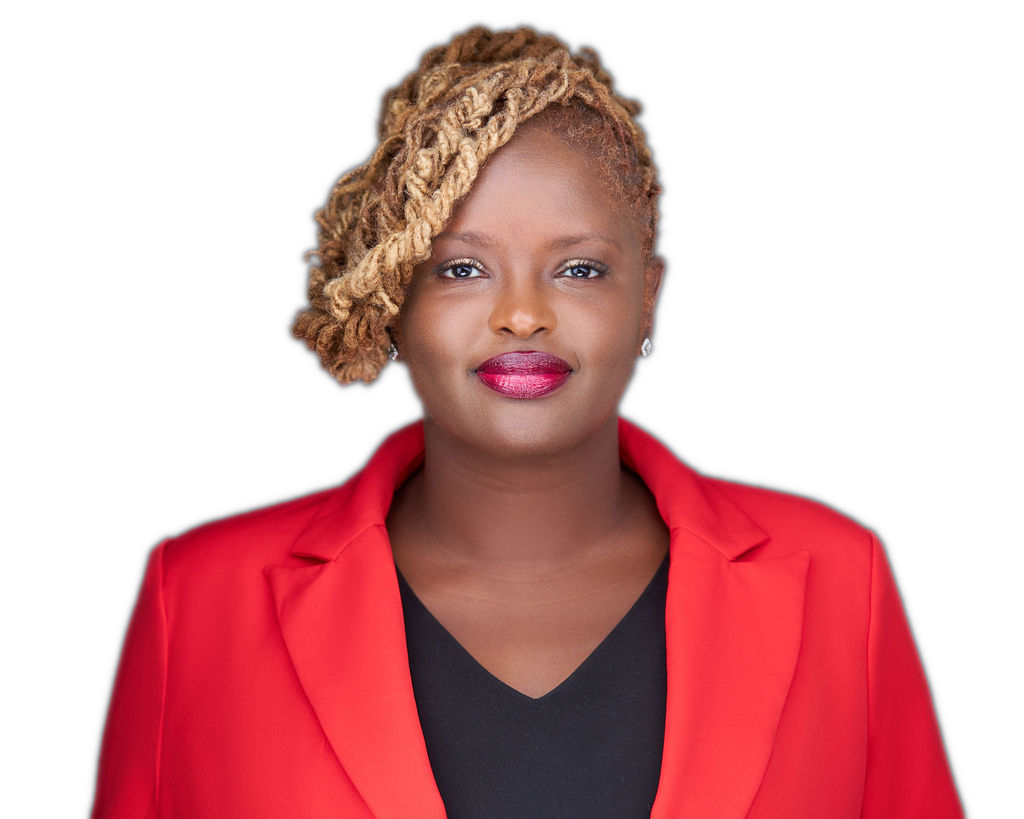
Meet Dr. LaToya Lewis
Associate Professor | International & National Speaker | Caregiving & End-of-Life Care Expert | Healthcare Thought Leader | The Humanity of Medicine
Born in Trinidad and Tobago and raised in South Florida, Dr. LaToya Lewis brings a global perspective to her work as a nurse scientist, educator, speaker, and advocate dedicated to advancing health equity, culturally responsive care, and improved outcomes for patients, families, caregivers, and communities.
Her voice is grounded in the realities of families navigating illness, grief, transition, and survival — especially in Black, Caribbean, and immigrant communities.
She is both a caregiver with a story and a clinician with a lens, bridging the emotional, cultural, and clinical worlds that shape how people receive care.
PROFESSIONAL EXPERTISE
A Leader at the Intersection of Culture, Compassion, and Clinical Excellence
Dr. Lewis serves as an Associate Professor of Clinical Nursing specializing in:
- End-of-life & palliative care education
- Caregiver equity & family-centered support
- Cultural humility & healthcare equity
- Clinical simulation & experiential learning
- AI + humanity & ethical communication
She is committed to training clinicians, students, leaders, and systems to honor humanity in care.
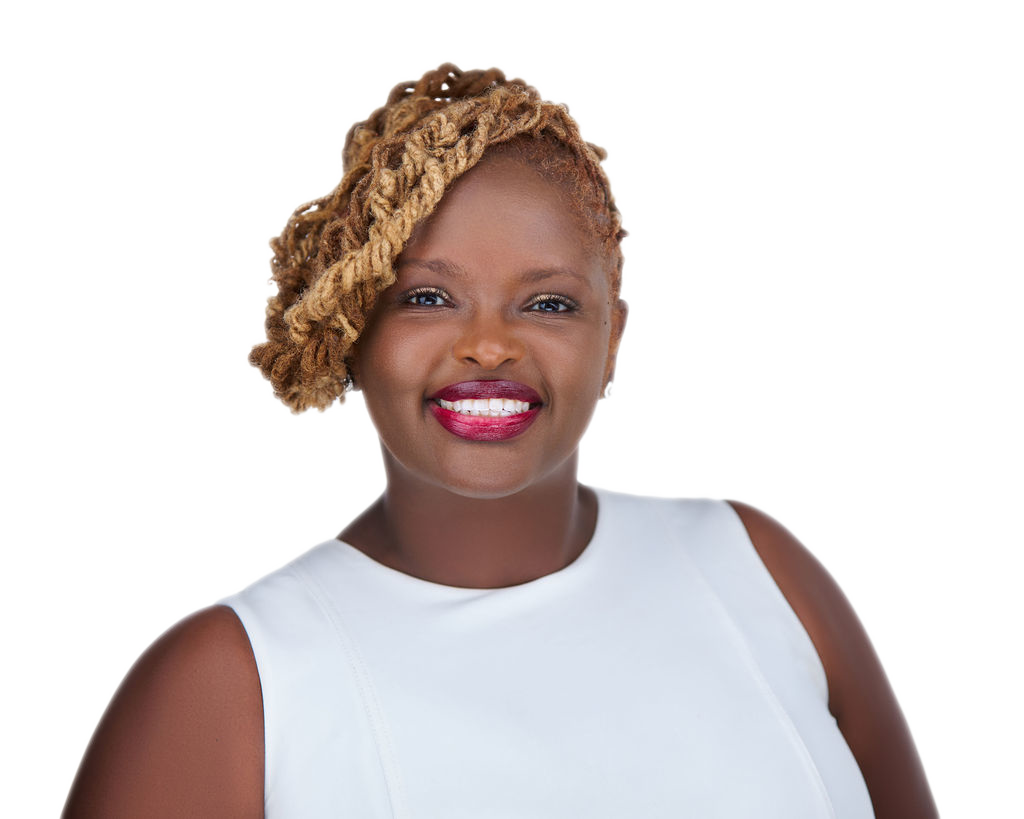
“Healthcare equity is not a project—it’s a legacy.”
THE MISSION
"To restore the people who restore everyone else."
Her mission is unwavering:
Care is not a task — it is a calling. And every caregiver deserves dignity, clarity, and restoration.
This mission shapes her work across:
- End-of-life and palliative care communication
- Cultural humility and clinical equity
- Caregiver support and family-centered frameworks
- AI + humanity in healthcare
- Grief, legacy, and storytelling
Her work blends scholarship with humanity, culture with clinical practice, and leadership with compassion.
THE ECOSYSTEM
A unified brand experience built on culture, dignity, and leadership
The Soul of Medicine
The Soul of Medicine is a platform exploring caregiving, grief, culture, and the humanity of care
L² Leadership & Consulting
Her organizational development and consulting ecosystem—supporting healthcare systems, universities, and mission-driven organizations in leadership strategy, cultural clarity, workforce wellness, and palliative care transformation.
Soul-Centered Leadership
Her signature leadership philosophy blending cultural truth, emotional intelligence, and purposeful communication for clinicians, executives, educators, and caregivers.
ATHLETE-TO-NURSING INNOVATION
Where Resilience Becomes Purpose
Dr. Lewis is a national leader in athlete-to-nursing workforce development, helping athletes transition into purposeful clinical careers through:
- Resilience and leadership training
- Identity and purpose coaching
- Simulation-based skill translation
- Academic readiness
- Emotional stamina for clinical spaces

WHY HER WORK MATTERS
Dr. Lewis’s work is driven by a commitment to ensuring that every individual receives compassionate, culturally responsive, and equitable care. Through research, education, advocacy, and leadership, she advances initiatives that strengthen healthcare communication, support caregivers, improve end-of-life and serious illness care, and prepare future healthcare professionals to serve increasingly diverse populations.